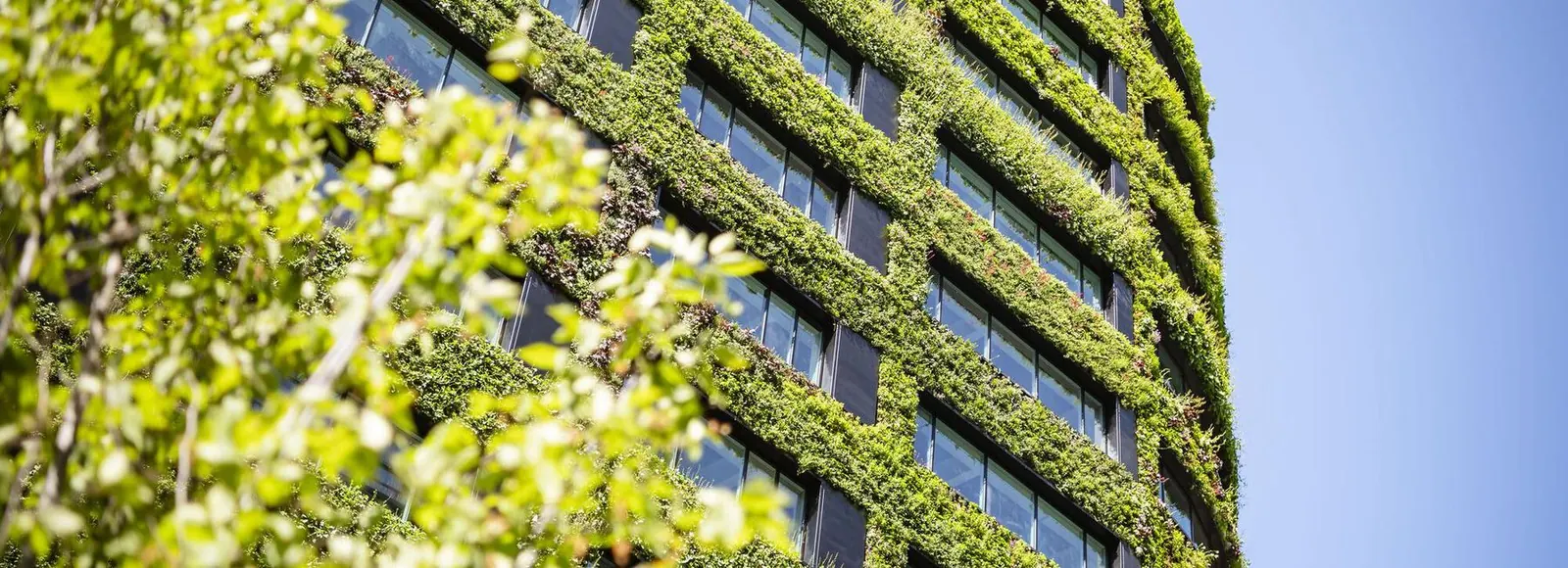
Premium living walls · Switzerland
Concrete replaced nature. We bring it back.
Soil-based living walls for high-end interiors and building facades — designed, installed and maintained by one Swiss studio, on a system proven from −40 °C to +40 °C.
Future Ecosystems · In brief
Future Ecosystems is a Swiss living wall studio, founded in 2017. As the Swiss installation and maintenance partner of Viritopia, we design, install and maintain soil-based living walls on the ANS Living Wall Module™ for offices, clinics and institutional buildings across Switzerland — including the World Health Organization headquarters in Geneva. Every wall we install comes with a multi-year maintenance contract, because a living wall is only as good as the care behind it.
What we do
Design, install, maintain — first sketch to year ten.
Interior living walls
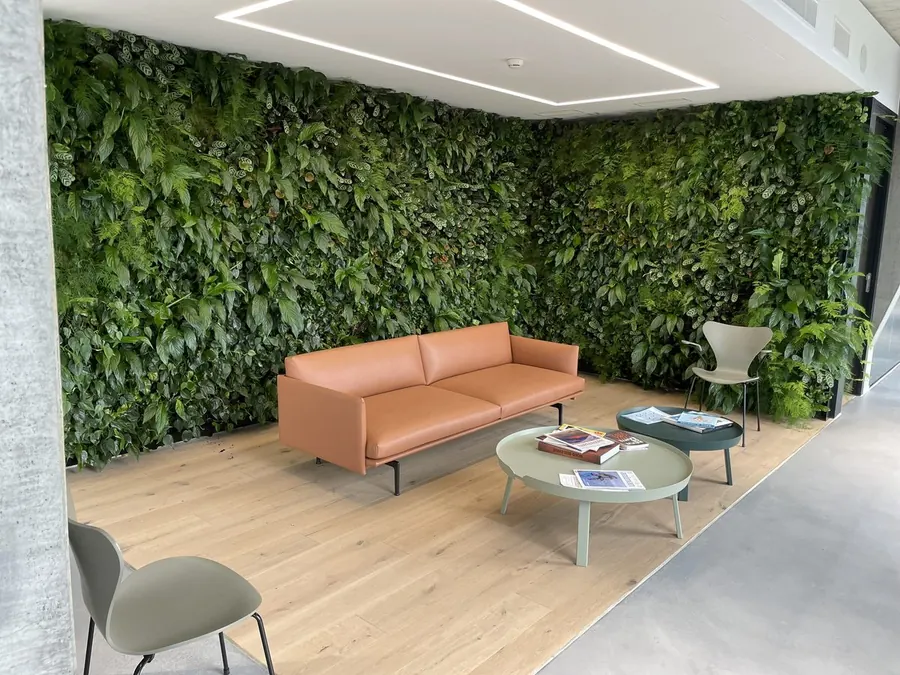
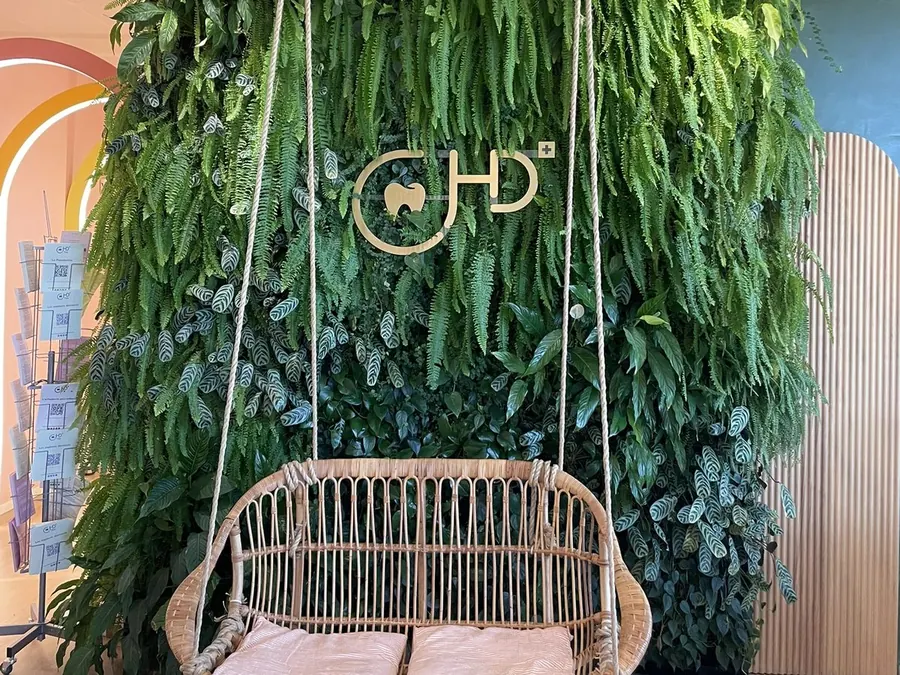
Offices, clinics, lobbies and hospitality. Pre-grown and fixed in days.
→02Exterior walls & facades
Courtyards to full facades, proven from −40 °C to +40 °C.
→03Maintenance contracts
Multi-year care by the team that installed the wall.
→04System & build-ups
Specs and four tested build-ups for architects and engineers.
→In Switzerland
Installed here. Proven through Swiss winters.
Flagship · Geneva
World Health Organization HQ
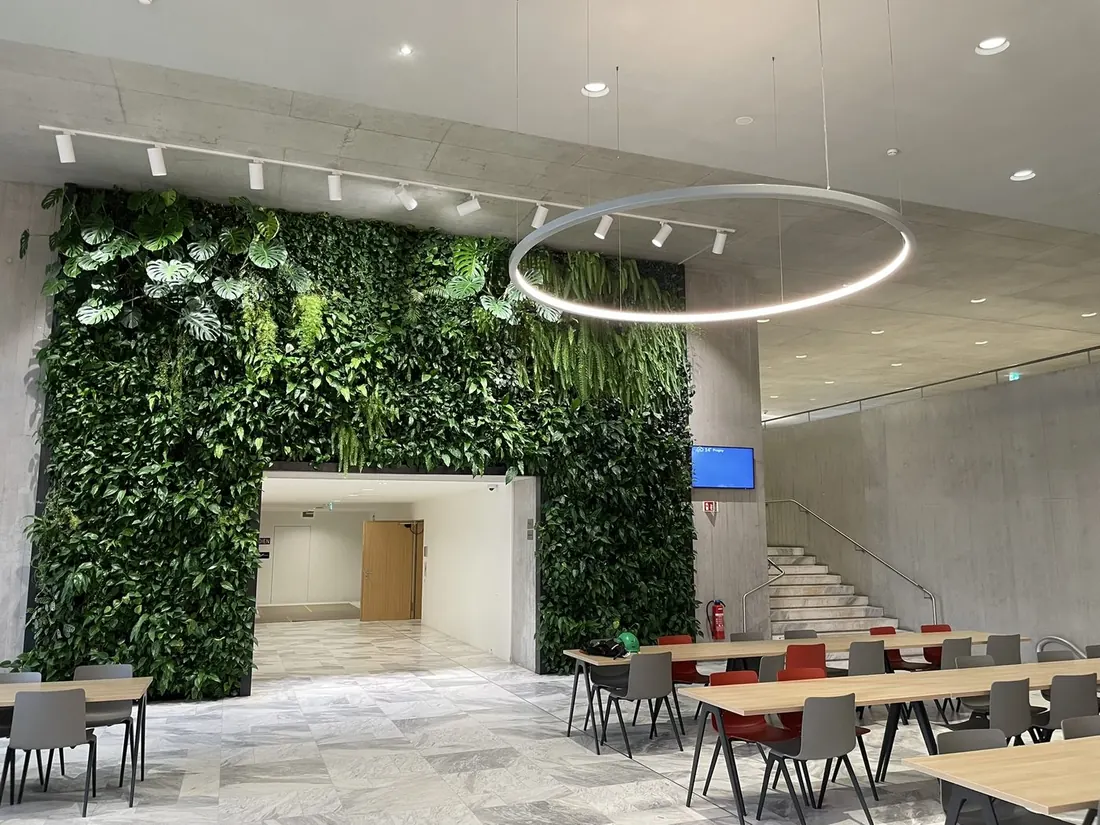
Double-height living walls wrap the cafeteria atrium at WHO headquarters in Geneva — 110 m² across four walls, 10,560 plants in dozens of species, installed in 2021 and under our care ever since.
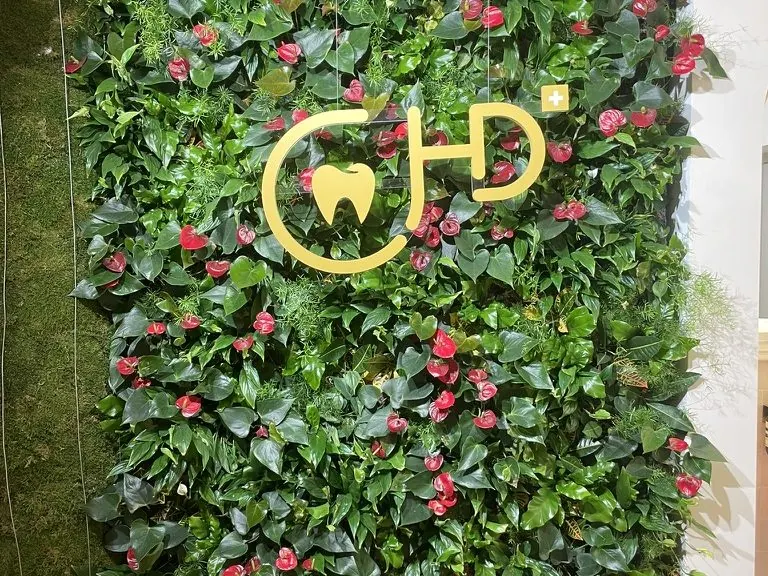
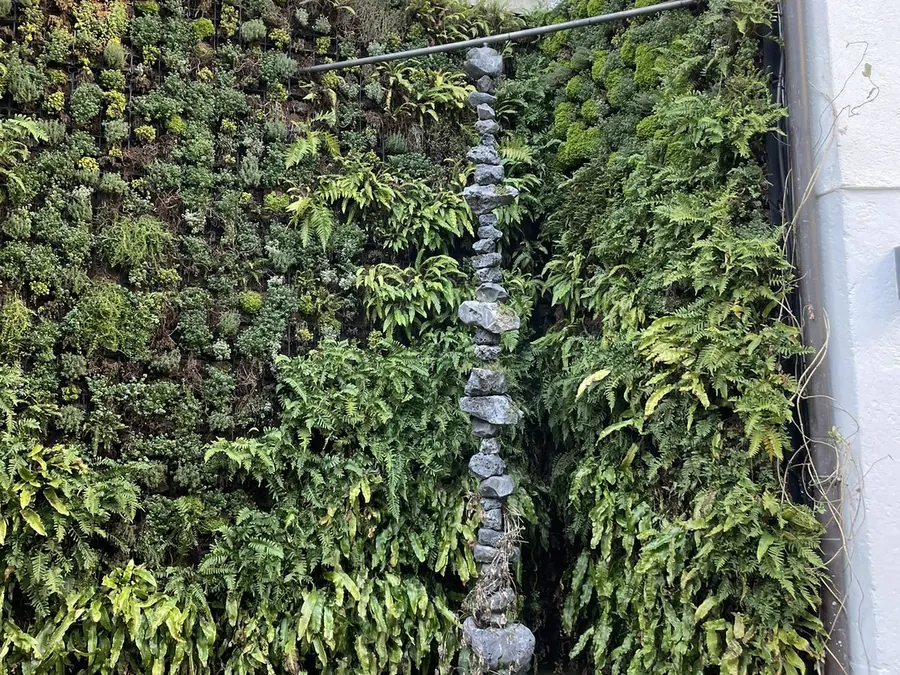
Maintenance
A living wall isn't a product. It's an ecosystem — and we don't walk away from it.
Every Future Ecosystems install includes a multi-year maintenance contract. That's not an upsell — it's the condition of the guarantee, and the reason our walls still look like the photos years later.
How maintenance works →Pruning, replanting, feeding and seasonal adjustment by the team that installed the wall.
Zoned dripper systems checked and serviced — the single point most walls fail on, handled before it fails.
Coverage, density and plant health held to the standard of the original design, contractually.
Recognition
Firm of the year, four years running.
BUILD Architecture Awards · Featured in BUILD magazine, 2023 and Q4 2025
One system, worldwide
The engineering behind some of the largest living walls in the world.
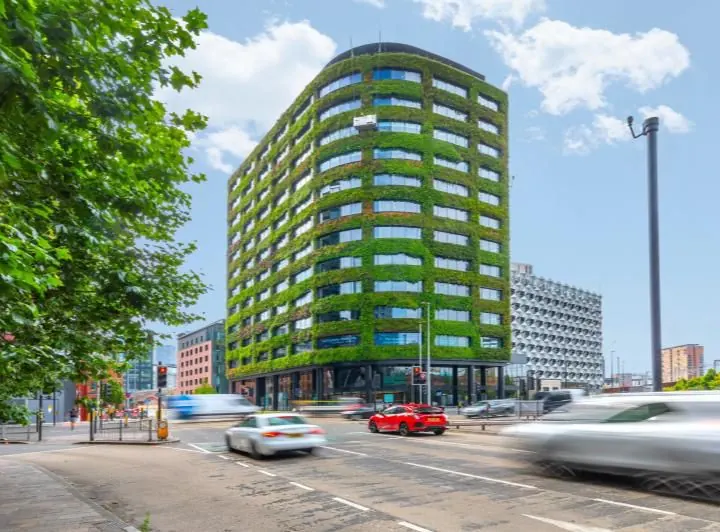
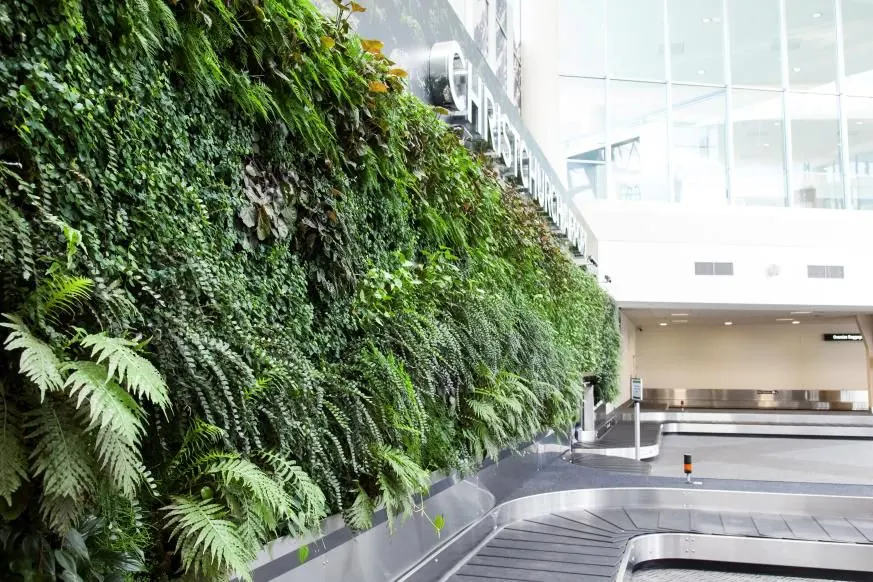
Projects delivered worldwide on the ANS Living Wall Module™ by Viritopia and its partner network. Future Ecosystems is the Swiss installation and maintenance partner.
Questions
What specifiers and owners ask us.
How much does a living wall cost in Switzerland?
Cost depends on wall size, access, interior versus exterior, and the planting design. Most projects are quoted per m² including structure, irrigation and planting. Send us the dimensions and location and we'll come back with a project-specific estimate.
How often does a living wall need maintenance?
A living wall needs scheduled professional care — typically several visits per year covering plant health, irrigation checks and seasonal replanting. Every Future Ecosystems install includes a multi-year maintenance contract, so the wall stays as dense and healthy as the day it was commissioned.
Can living walls survive Swiss winters outdoors?
Yes. The ANS Living Wall Module™ is proven from −40 °C to +40 °C, and its soil-based modules buffer roots against temperature swings. Plant selection is adapted to altitude and exposure.
Do living walls work indoors?
Yes — the same modular system runs indoors with zoned irrigation and an interior plant palette. Typical settings are lobbies, offices, clinics and hospitality spaces.
Which living wall system do you install?
The ANS Living Wall Module™ by Viritopia: soil-based modules of 250 × 500 × 100 mm, 8 modules per m², around 80 plants per m², with a fire-retardant option and four documented build-ups for brick, concrete, cladding and steel-frame substrates.
Enquire
Planning a facade, a lobby, or something nobody's built yet?
Send the site, the surface and the ambition. We'll come back with a build-up, a plant direction and an honest read on feasibility — usually within two working days.